
High blood pressure affects nearly half of all adults – and many don’t even know they have it. The good news? You don’t always need medication to bring your numbers down. Research consistently shows that lifestyle changes can be just as effective as drugs for many people with elevated or Stage 1 hypertension.
These five changes aren’t quick fixes or trendy hacks. They’re evidence-based strategies that work – sometimes dramatically. The key is consistency.
1. Reduce Your Sodium Intake
Sodium has a direct relationship with blood pressure. When you eat too much salt, your body retains water to dilute it. This extra fluid increases blood volume, which raises the pressure against your artery walls.
The numbers: The American Heart Association recommends no more than 2,300 mg of sodium daily – ideally closer to 1,500 mg for people with hypertension. The average American consumes over 3,400 mg per day.
What the research shows: Reducing sodium intake by 1,000 mg per day can lower systolic blood pressure by 5-6 mmHg. For some people, the effect is even greater.
Where sodium hides
Here’s the thing most people miss – the salt shaker isn’t the problem. Over 70% of dietary sodium comes from processed and restaurant foods, not salt added during cooking or at the table.
The biggest culprits include:
- Bread and rolls (sodium adds up across multiple servings)
- Pizza and sandwiches
- Deli meats and cured foods
- Canned soups and vegetables
- Frozen meals and convenience foods
- Restaurant meals (especially fast food)
- Condiments and sauces
- Cheese
Practical steps
Read labels. Anything over 600 mg per serving is high. Look for “low sodium” or “no salt added” versions.
Cook more at home. You control the ingredients. Use herbs, spices, citrus, and vinegar to add flavor without sodium.
Rinse canned foods. Draining and rinsing canned beans or vegetables can reduce sodium by up to 40%.
Request modifications when dining out. Ask for sauces on the side and dishes prepared without added salt.
Give your taste buds time. It takes about 2-3 weeks to adjust to less salt. Foods that taste bland at first will start to taste normal – and eventually, high-sodium foods will taste too salty.
2. Get Regular Physical Activity
Exercise is one of the most effective natural blood pressure treatments available. Regular physical activity makes your heart stronger, allowing it to pump more blood with less effort – reducing the force on your arteries.
The numbers: Consistent exercise can lower systolic blood pressure by 5-8 mmHg. For people with hypertension, this reduction can be enough to avoid or reduce medication.
What the research shows: A meta-analysis of 391 trials found that exercise was as effective as commonly prescribed blood pressure medications. The benefits start appearing within just a few weeks of regular activity.
What type of exercise works best?
The short answer: any movement is better than none. But research supports a combination approach.
Aerobic exercise – Walking, jogging, cycling, swimming, or dancing. Aim for at least 150 minutes of moderate activity per week (about 30 minutes, five days a week). Even three 10-minute walks throughout the day count.
Resistance training – Weight lifting or bodyweight exercises 2-3 times per week. Once thought to raise blood pressure, research now shows it helps lower resting pressure over time.
Flexibility and balance – Yoga and stretching support overall cardiovascular health and stress reduction.
Making it stick
Start small. If you’re inactive, don’t aim for an hour at the gym. Start with a 10-minute walk after dinner.
Find activities you enjoy. You’ll never stick with exercise you hate. Experiment until you find something sustainable.
Build it into your routine. Walk during lunch breaks. Take stairs instead of elevators. Park farther away. Small additions compound over time.
Track your progress. Seeing improvements – whether in distance, speed, or how you feel – keeps motivation high.
3. Maintain a Healthy Weight
Excess weight makes your heart work harder and puts additional strain on your cardiovascular system. Even modest weight loss can significantly impact blood pressure.
The numbers: Losing just 10 pounds can reduce systolic blood pressure by 5-10 mmHg. For every 2 pounds lost, blood pressure typically drops by about 1 mmHg.
What the research shows: Weight loss is one of the most effective lifestyle interventions for blood pressure. People who are overweight and lose 5-10% of their body weight see meaningful, lasting improvements.
The waistline connection
Where you carry weight matters too. Abdominal fat – the kind that accumulates around your midsection – is particularly linked to cardiovascular risk and elevated blood pressure.
Men with a waist measurement over 40 inches and women over 35 inches have higher risk, even if their overall weight isn’t dramatically elevated.
Sustainable approaches
Focus on habits, not diets. Crash diets don’t work long-term. Small, sustainable changes to eating patterns do.
Prioritize protein and fiber. These nutrients keep you full longer, making it easier to eat less without feeling deprived.
Watch liquid calories. Sodas, juices, alcohol, and fancy coffee drinks add up quickly without satisfying hunger.
Don’t rely on exercise alone. Physical activity is essential for health, but diet changes typically drive weight loss more effectively. The combination works best.
Be patient. Healthy weight loss is 1-2 pounds per week. Faster isn’t better – it’s usually unsustainable.
4. Limit Alcohol Consumption
The relationship between alcohol and blood pressure is complicated. Small amounts may have neutral or even slightly beneficial effects, but beyond moderate consumption, alcohol clearly raises blood pressure.
The numbers: Reducing alcohol from heavy to moderate intake can lower systolic blood pressure by approximately 4 mmHg.
What the research shows: Heavy drinking (more than 3 drinks per day) consistently correlates with hypertension. Cutting back produces measurable improvements within weeks.
What counts as moderate?
- Women: Up to 1 drink per day
- Men: Up to 2 drinks per day
One drink equals:
- 12 ounces of beer (5% alcohol)
- 5 ounces of wine (12% alcohol)
- 1.5 ounces of spirits (40% alcohol)
The binge drinking problem
Even if your weekly total seems reasonable, binge drinking – having 4+ drinks in a single sitting – causes acute blood pressure spikes and can contribute to long-term problems. Spreading consumption across the week is better than “saving up” for weekends.
Practical strategies
Track what you drink. Many people underestimate their consumption. Write it down for a week – you might be surprised.
Set limits before social events. Decide in advance how much you’ll have and stick to it.
Find alternatives. Sparkling water with lime, mocktails, or non-alcoholic beer can satisfy the social aspect without the cardiovascular impact.
Know your triggers. Stress, boredom, and social pressure all contribute to drinking. Recognizing patterns helps you manage them.
5. Manage Chronic Stress
When you’re stressed, your body releases hormones that temporarily spike blood pressure – your heart beats faster and blood vessels constrict. Occasional stress is normal and not harmful. But when stress becomes chronic, these temporary spikes can contribute to sustained elevation.
The numbers: The blood pressure impact of stress management varies widely between individuals, but studies show reductions of 3-8 mmHg systolic with consistent stress-reduction practices.
What the research shows: Chronic psychological stress is associated with higher blood pressure and increased cardiovascular risk. Interventions like meditation, deep breathing, and cognitive behavioral therapy can produce meaningful reductions.
Stress also drives unhealthy behaviors
Beyond the direct physiological effects, stress often leads to habits that raise blood pressure independently – overeating, drinking more alcohol, sleeping poorly, and skipping exercise. Managing stress addresses both the direct and indirect impacts.
Evidence-based stress management
Deep breathing. Slow, deliberate breathing activates your parasympathetic nervous system – the “rest and digest” response that counteracts stress. Try 4-7-8 breathing: inhale for 4 seconds, hold for 7, exhale for 8. Even a few minutes helps.
Meditation and mindfulness. You don’t need to sit in silence for an hour. Even 10 minutes of daily meditation has measurable effects on stress hormones and blood pressure.
Physical activity. Exercise is a powerful stress reliever. It burns off stress hormones and triggers endorphin release.
Adequate sleep. Poor sleep amplifies stress responses and makes everything harder to manage. Prioritize 7-9 hours per night.
Social connection. Time with supportive friends and family buffers against stress. Isolation makes it worse.
Professional help. If stress feels overwhelming, therapy or counseling can provide tools and perspective. There’s no shame in getting support.
Putting It All Together
These five changes work independently, but they work even better together. Someone who reduces sodium, exercises regularly, loses weight, moderates alcohol, and manages stress might see blood pressure reductions of 20-30 mmHg – enough to move from Stage 2 hypertension to normal range.
That said, don’t try to change everything at once. Pick one area to focus on for a few weeks. Once it becomes habit, add another. Sustainable progress beats ambitious failure every time.
Track your progress
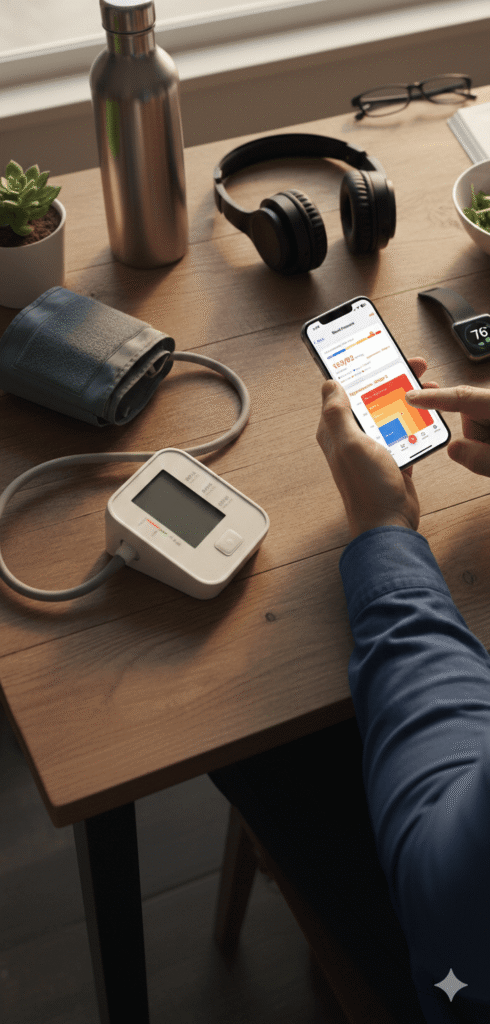
Monitoring your blood pressure as you implement changes serves two purposes. First, it shows you what’s working – there’s nothing more motivating than seeing your numbers improve. Second, it helps you and your doctor make informed decisions about whether medication is needed.
When Lifestyle Isn’t Enough
Some people do everything right and still need medication – genetics, underlying conditions, and other factors play a role. If your doctor prescribes blood pressure medication, it doesn’t mean you’ve failed. It means you need additional support.
Lifestyle changes remain important even if you’re on medication. They can enhance drug effectiveness, potentially allow for lower doses over time, and provide health benefits that extend far beyond blood pressure.
This article is for informational purposes only and is not intended as medical advice. Always consult a healthcare provider before making significant lifestyle changes, especially if you have existing health conditions or are currently taking medication.
Track your progress with Pul AI. Log your blood pressure readings and watch your numbers improve as you implement healthy changes. Download the app and start your journey toward better cardiovascular health today.